Greek Apokries: A Guide to Greek Carnival Traditions
Apokries is not only one of the liveliest and most vibrant times of the year; it’s also a celebration that quietly announces the end of winter and the arrival of spring. Streets are filled with costumes, smoke from grills hangs in the air, music is everywhere, and then suddenly everything becomes quiet and “clean” as Great Lent begins.
In this guide, you’ll learn what Apokries actually is, how the Greek Carnival calendar works, what happens in different parts of the country, and how to experience it like a local.
What Is Apokries?
The word “Apokries” comes from the Greek expression “apo kreas” (από κρέας), which literally means “away from meat.” This gives you a big clue about the season: it is the time just before Greeks stop eating meat and other rich foods for Great Lent.
In Greek Orthodox tradition, Apokries is the period of celebration before 40 days of fasting and spiritual preparation for Easter. People dress up, eat, drink, dance, travel, and meet friends and family. It’s like a last big exhale before a long, quiet breath.
But Apokries is not only religious. Many of its customs are connected to ancient Greek rituals honouring Dionysus, the god of wine, theatre, and ecstasy. Noise, masks, and chaotic behaviour were believed to chase away evil and welcome spring. This is why even today you will see loud processions, bells, and strange costumes made of animal skins and masks in some villages.
Key Dates for Apokries
Apokries follows the Orthodox Christian calendar, which is different from the Western (Catholic/Protestant) dates for Carnival and Easter. The season lasts for several weeks and builds slowly toward a big, festive climax – and then a complete reset.
The Start of the Triodion
The period of preparation for Lent is called “Triodion”. It begins on a Sunday, and from that moment the church services and the festive mood of Apokries gradually begin. You might not notice much in daily life at first, but events, school parties, and city decorations usually start to appear around this time.
Tsiknopempti – “Smoky Thursday”
One of the most famous days of Apokries is Tsiknopempti (Τσικνοπέμπτη).
- It always falls on a Thursday.
- The name comes from tsikna (the strong smell of roasting meat) and Pempti (Thursday).
- On this day, everything is about meat. Taverns, balconies, backyards, and even sidewalks turn into grills. You’ll see souvlaki, steaks, sausages, and all kinds of meat sizzling over charcoal.
For students, Tsiknopempti is a perfect excuse to meet friends, go out early, and enjoy the chaotic, smoky atmosphere. Many cities organize special events complete with music, dancing, and street food.
Cheese Week and the Last Sunday of Apokries
After Tsiknopempti, the focus slowly moves away from meat. The last week before Lent is often called the “Cheese Week” (Tyrini). People still eat well, but the diet becomes lighter, with more dairy products, pies, and pasta dishes.
The last Sunday of Apokries is sometimes called “Sunday of Cheese” (Tyrini again). Traditionally, this is the last day when people eat meat before Lent. In many cities, this Sunday is the biggest Carnival weekend, with the most important parades, floats, and parties.
Clean Monday – Kathara Deftera
The day after the last Sunday of Carnival is Clean Monday (Kathara Deftera).
This day:
- is the official beginning of Great Lent in the Orthodox Church.
- has a strong “fresh start” feeling, both spiritually and physically.
- is celebrated with fasting food, outdoor picnics, and kite flying.
Instead of meat, people eat food like lagana (a special flatbread), olives, vegetables, salads, seafood (like octopus or squid). Families and friends go to hills, parks, and beaches, fly colorful kites, and enjoy a day that feels very different from the noisy Apokries nights.

Apokries 2026 – Key Dates
You said you want the 2026 dates included, so here is a list you can keep or remove later:
Greek Apokries 2026 – Important Dates
- Start of Triodion (Apokries begins): Sunday 1 February 2026
- Tsiknopempti: Thursday 12 February 2026
- Cheese Sunday (last day with meat): Sunday 22 February 2026
- Clean Monday: Monday 23 February 2026
Costumes, Masks and Music
During Apokries, Greek cities and villages are transformed. Here’s what you will notice immediately.
Costumes and Masks Everywhere
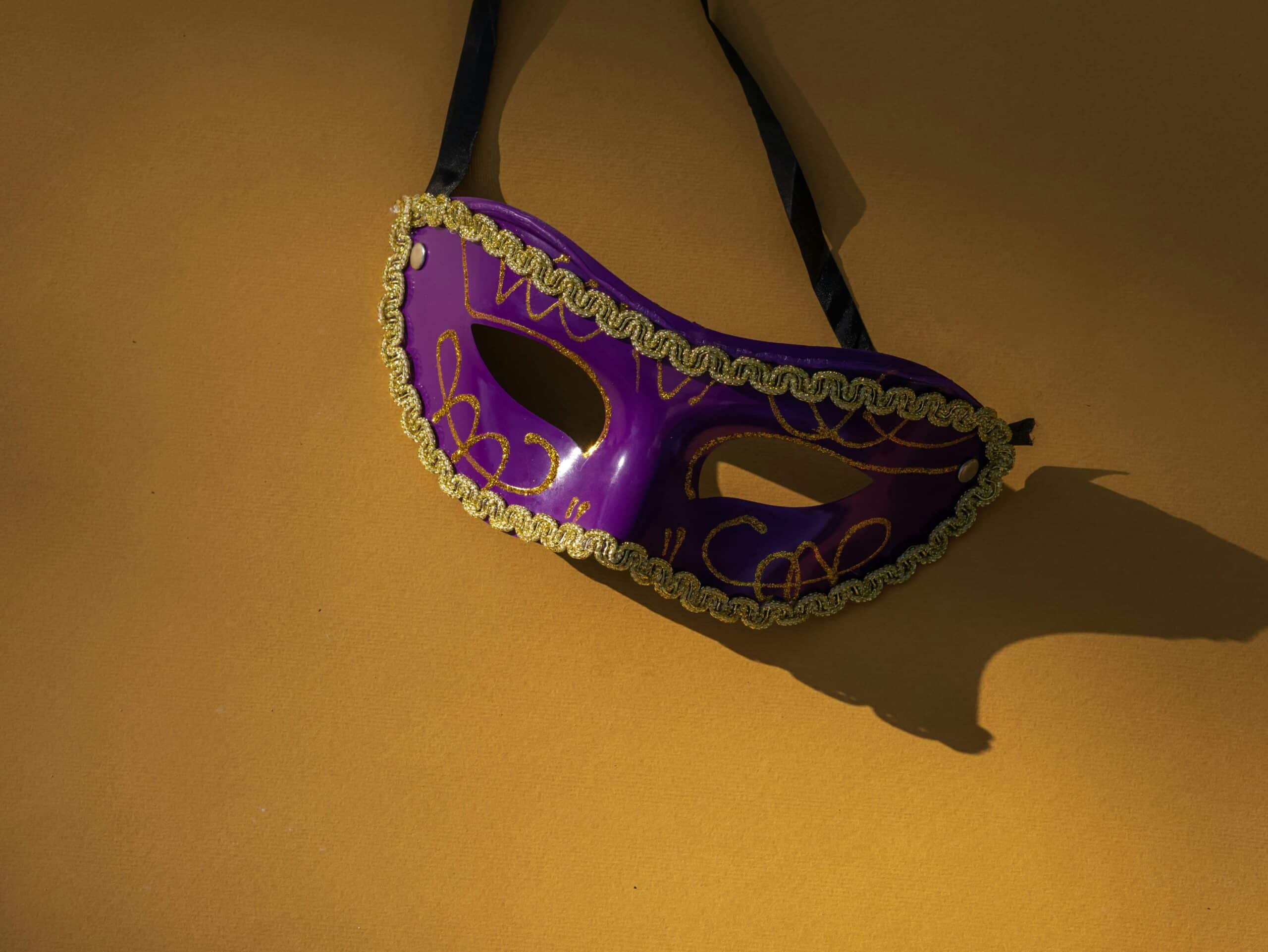
Costumes are essential. Kids, teenagers, adults, grandparents, everyone might show up dressed as something unexpected. Some people choose detailed, creative costumes while others wear simple masks or funny hats just to be part of the fun.
Costumes allow people to:
- hide their identity
- act more freely and be playful
- make jokes and satirical comments about politics, society, or everyday life
In many places, there are themed nights at bars and clubs, or open-air events where everyone is encouraged to come dressed up.
Parades and Floats
Larger cities organize official Carnival parades. These include:
- floats (decorated vehicles with big constructions and characters)
- groups of people in matching costumes performing dances or short acts
- bands and DJs playing music along the route
The biggest parades usually happen on the last weekend of Apokries that can last for hours. In some towns, there is also a special night parade, where everything is illuminated and the atmosphere feels even more intense.
Music, Dance and Confetti
From traditional folk songs to modern pop and electronic music, you will hear everything during Apokries. Street bands, DJs, and spontaneous dancing in squares are common.
You’ll also see:
- confetti and streamers flying through the air
- people spraying foam or throwing colourful powder in some places
- fireworks or bonfires marking the end of Carnival in certain towns
It’s chaotic, loud, and completely unforgettable.
Local Apokries Traditions Around Greece
One of the most fascinating things about Greek Apokries is how different it looks from one region to another. If you are a student in Greece, you might want to visit at least one of the famous Carnival destinations.
Patras – The Biggest Carnival
Patras, in Western Greece, hosts the biggest and most famous Carnival in the country.
Some key features:
- huge parades with massive floats and thousands of participants
- a legendary night parade with costumes and lights
- a symbolic burning of the Carnival King at the harbour at the end of the season
For students, Patras Carnival is a mix of city party, tradition, and festival vibes. Accommodation gets booked early, and the entire city turns into one big stage.
Xanthi – Thracian Colours and Music
In Xanthi, in Northern Greece, Carnival has a strong local identity.
There you can find:
- traditional costumes and dances from Thrace
- events that combine folklore with modern concerts
- a warm, community atmosphere where visitors are welcomed as part of the group
If you love folk music and want to experience something more local than just a big city party, Xanthi is a great choice.
Rethymno – Venetian Style in Crete
In Crete, Rethymno has a Carnival with a Venetian flavor, thanks to the island’s history.
You’ll see:
- elegant costumes
- parades in narrow old streets with beautiful architecture
- strong Cretan hospitality, food, and nightlife
Rethymno offers a nice balance between cultural depth and fun evenings in cafés and bars.
Naoussa, Skyros, Galaxidi – Unique Rituals
Smaller places have very special, sometimes strange-looking customs:
- Naoussa: Men dressed in traditional uniforms and special masks perform a serious, choreographed ritual with music and dancing.
- Skyros: Locals wear heavy bells and animal-like costumes, while running and making noise through the streets to “wake up” nature and scare away bad spirits.
- Galaxidi: On Clean Monday, people hold a “flour war”, throwing colored flour at each other in the harbour area.
These local customs are perfect if you are interested in anthropology, folklore, or history… or if you just love truly unusual experiences.
What Do Greeks Eat During Apokries?
Food is at the heart of Greek life, and Apokries is a perfect example. The whole season is like a journey from rich, heavy food to simple, fasting dishes.
Tsiknopempti: Meat Everywhere
On Tsiknopempti, expect:
- grills on balconies, sidewalks, and restaurant terraces
- smoke in the air and the smell of barbecued meat
- taverns and souvlaki places packed with groups of friends
Typical dishes include:
- souvlaki and skewers
- sausages
- pork chops or steak
- kokoretsi or other traditional meat products, depending on the region
It’s not a good day to be vegetarian, but it’s an excellent day to learn meat-related Greek vocabulary.

Cheese Week and Everyday Eating
Between Tsiknopempti and Clean Monday, people often eat a lot of:
- pies with cheese or spinach
- pasta baked with cheese or minced meat
- desserts and sweets, especially in regions with their own local recipes
It’s a time to enjoy what you love before Lenten restrictions begin.
Clean Monday: The Fasting Table
On Clean Monday, everything changes. The typical table includes:
- Lagana: a flat, sesame-topped bread baked especially for this day
- Taramosalata: a creamy dip made from fish roe
- Olives, pickles, and salads
- Hummus-style dips or bean-based spreads
- Seafood like octopus, squid, or cuttlefish, often grilled or in vinegar
- Simple sweets like halva
Conclusion
Greek Apokries is a journey from noise to silence, from meat-heavy feasts to simple fasting meals, from masks and parades to reflection and preparation. By learning the vocabulary, tasting the food, visiting at least one Carnival town, and joining in with locals, you’ll not only enjoy the parties, but you’ll understand why they happen and how they fit into the Greek year.
And if you’re learning Greek or teaching it through a platform like greek123.com, Apokries is a perfect theme for lessons, projects, and cultural content all year round.
Related